
YOUR EVERYDAY COFFEE SPACE
Coffee Bar Essentials
Set up your coffee counter.
Find brewers, grinders, scales, milk tools and storage for your coffee counter. For milk drinks, choose electric frothers and warmers, handheld frothers, and stainless steel or titanium latte art pitchers. For espresso prep, add tampers, WDT tools, dosing cups, tamping stations, puck screens and knock boxes. Keep beans fresh with airtight and vacuum canisters or single-dose storage tubes, serve in ceramic mugs, cups and saucers, and clean up with group head brushes, barista cloths and handheld coffee vacuums. Add what you need for making, serving and cleaning up.

Explore coffee bar essentials
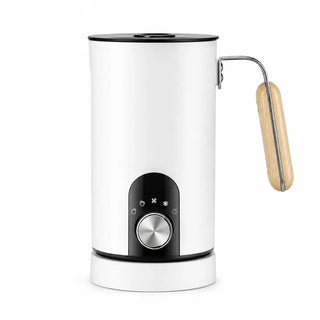
Automatic Milk Frother & Warmer
5-in-1 Hot & Cold Foam, 304 Stainless Steel Interior, White

Airtight Coffee Bean Canister
1.2/1.5L, 304 Stainless Steel, One-Way Valve, Date Dial & Scoop

Espresso Dosing Cup 58mm with Handheld Distributor
Aluminum Alloy, for 58mm Portafilter Baskets

Espresso Distributor & Tamper 51/58mm
2-in-1, 304 Stainless Steel Base, Aluminum Body, Walnut Top

WDT Espresso Distribution Tool
7 Needles, Replaceable Head, Aluminum Handle, for 51–58mm Baskets
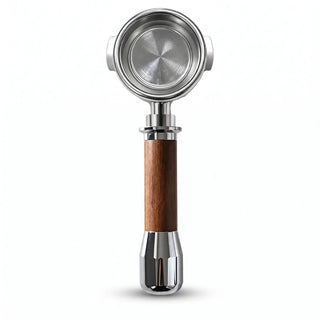
Portafilter 58mm for E61
2-in-1 Bottomless & Spouted, Stainless Steel, Wood Handle, with Basket

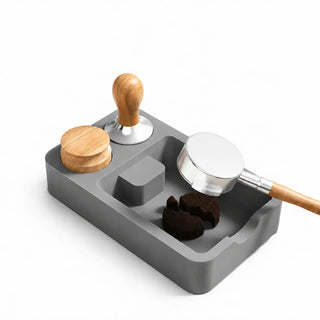
Espresso Tamping Mat for Counter Edge
Silicone Corner Pad, Tamper & Distributor Holders, Non-Slip
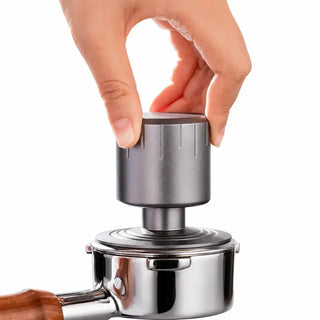

Espresso Dosing Cup 54mm for Breville & Sage Barista Express/Pro/Touch/Bambino
Aluminum Alloy
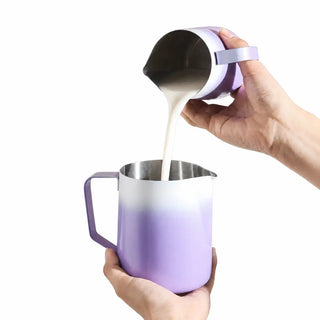
Milk Frothing Pitcher with Gradient Finish
350/600ml (12/20oz), 304 Stainless Steel, Latte Art Jug

Choose your coffee bar essentials by brewing method
Start with one way to brew. These are starting points for a home setup; you can add milk tools, storage and cleanup accessories as you need them.
| Your coffee | Start with | Check before buying |
|---|---|---|
| Espresso | An espresso machine, a suitable grinder, a basket-matched tamper and a scale. | Machine model, basket diameter, portafilter locking tabs and space under the group head. |
| Pour over | A dripper, matching filter, cup or carafe, kettle and scale. Add a grinder if you use whole beans. | Filter shape and size, brewing capacity and whether the kettle heats water or only pours it. |
| Cold brew | An immersion bottle or pitcher with a filter, ground coffee and fridge space. | Usable capacity, filter removal and fridge shelf height. A cold drip tower uses a different brewing method. |
| Moka pot | A moka pot, suitable ground coffee, water, a compatible heat source and a cup. | Stovetop compatibility and stated capacity. Moka cup sizes are smaller than a typical mug. |
What belongs on your coffee bar?
Coffee bar essentials are the tools you use to prepare, measure, serve and tidy up your daily coffee. Start with your brewing method and the space you have. Add accessories when they solve a specific step in your routine.
| Your next step | Tools to consider | Check before buying |
|---|---|---|
| Grind coffee | A burr grinder matched to your brewing method. | Grind range, dose capacity and manual or electric operation. A high setting count alone does not establish espresso suitability. |
| Brew and pour | A dripper, French press, moka pot or brewer, plus a suitable way to heat water. | Serving size, filter shape, cup stability and the exact heating requirements. Manual pouring kettles do not all heat water. |
| Measure a recipe | A coffee scale; a timer when you want to track brew time. | The full vessel-and-water load, readable display and drip-tray clearance. Taring does not remove weight from the scale. |
| Prepare espresso | A dosing cup or funnel, distribution tool and correctly sized tamper. | Basket dimensions, tool size and the exact machine fit. Portafilter diameter alone does not confirm locking compatibility. |
| Make milk drinks | A milk pitcher for a steam wand, or a frother for a separate milk-preparation routine. | A pitcher does not heat milk. The rechargeable frother wand mixes and foams; heat milk separately for warm drinks. |
| Store and tidy | An airtight canister, tool organiser and knock box for used espresso pucks. | Canister volume, organiser openings and counter footprint. Empty wet grounds regularly and follow each item’s care instructions. |
Start small. Give each tool a purpose.
You can build a useful coffee station in stages. Keep the equipment you already enjoy using and add around it.
Choose one brewing routine
For pour-over, start with a dripper and suitable filter, a water-heating method and a cup or server. For espresso, start with a compatible brewer and basket. Add a grinder when using whole beans.
Make the recipe repeatable
Add a scale to measure coffee and water or espresso yield. Choose a timer-equipped model if you want to follow brew time on the same display.
Arrange the daily workflow
Keep beans near the grinder, preparation tools beside the brewer, and cups within reach. Leave enough room to fill water, remove trays and open lids.
Add comfort and cleanup
Add milk tools if you make milk drinks, a canister for dry coffee storage and a dedicated place for loose grounds or used pucks. Buy for the step you actually use.
Coffee bar essentials: common questions
What do I need for a home coffee bar?
Start with a brewer suited to the coffee you enjoy, a cup or server, and a way to prepare water if the brewer requires it. Add a grinder for whole beans and a scale to repeat your dose. Milk tools, espresso preparation accessories, storage and organisers depend on your routine.
Which coffee accessories should I buy first?
Choose the tool that solves your most frequent problem. A scale helps repeat recipes, a correctly sized funnel helps contain grounds during dosing, and a knock box gives spent espresso pucks a dedicated place. You do not need a complete matching set to begin.
How do I choose the right espresso accessory size?
Check your exact machine model, basket dimensions and the product’s compatibility information. Tampers, dosing funnels, baskets and portafilters have different fit requirements. A 58 mm label alone does not establish portafilter compatibility; locking tabs, basket depth and clearances also matter.
Is a milk pitcher the same as a milk frother?
No. A milk pitcher is a vessel for steaming and pouring; a separate steam wand supplies heat. A handheld frother mixes and foams milk but does not heat it. An automatic milk frother may heat or make cold foam, depending on its listed modes. Choose the tool that matches how you prepare milk.
How can I organise a coffee bar in a small space?
Measure the usable worktop, space beneath cabinets and clearance around the brewer. Place tools in the order you use them: beans, grinding, preparation, brewing and cleanup. Check an organiser’s footprint and opening sizes before buying, and keep water away from electrical connections.
Do organisers and stands include the tools shown in photos?
Check the included-items list on the product page. The solid wood espresso organiser is sold as an organiser; the portafilters, tampers and other display tools are not included. A collection is a group of individual products, not automatically a complete bundled set.
How should I store coffee and clean the coffee bar?
Keep dry coffee in an appropriate closed container away from heat and moisture. Remove wet grounds and rinse compatible removable parts after use, then dry them. Follow each product’s cleaning instructions; electronic bodies and charging ports should not be immersed.
Do I need an espresso machine for a coffee bar?
No. A home coffee bar can be built around pour over, a moka pot or cold brew. Choose your brewer first; espresso-specific tools such as tampers and portafilters are unnecessary for those methods.
What is the difference between a pouring kettle and an electric kettle?
A pouring kettle is used to control the flow of water and may require water heated separately. An electric kettle heats water using power. Do not assume a non-electric pouring kettle is suitable for direct stovetop heating; check the product instructions.
Plan the setup around your routine
Find practical guides for a small coffee bar, or explore a complete brewing workflow.