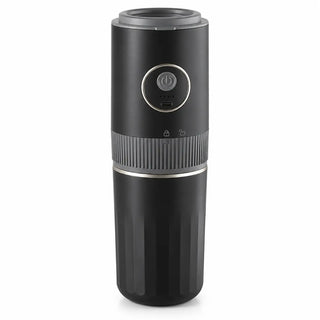
Instant, filter and pressure-brewed coffee need very different kits. A powered brewer may still require a separate hot-water source.
Five ways to make coffee while camping
| Method | Main equipment | Hot water needed? | Cleanup and packing |
|---|---|---|---|
| Instant coffee | Mug and spoon | Optional, depending on product | Minimal gear and residue |
| Pour over | Dripper, compatible filter and mug | Yes | Pack out used grounds and filters |
| French press | Press and mug | Yes | Wet grounds need collection and cleanup |
| Steeped coffee bag | Coffee bag and mug | Usually | Pack out the used bag |
| Portable pressure brewer | Compatible brewer and coffee | Model-dependent | Check power, water and cleaning requirements |
Five Camping Coffee Methods Compared
Instant coffee for a light kit
Instant coffee removes the grinder, filter and brewer from your packing list. Follow the product's mixing instructions, then adjust the water amount to taste.
Pack a serving of instant as a backup if you want coffee even when the main kit is unavailable.
Pour over for a familiar routine
A compact dripper lets you use a similar recipe to the one you make at home. Pre-weigh the coffee before leaving if you do not want to carry a scale. Use a stable, heat-safe mug and pour carefully on level ground.
Paper filters make used grounds easier to collect. Reusable mesh saves packing spare papers, but needs more attention at cleanup. Choose around the water and waste facilities you'll have.
Use a batch that fits the brewer. A stable, sheltered position can make pouring easier and reduce heat loss, while any heat source must remain in a location approved for its use.
French press for shared servings
A French press can simplify making more than one cup at a time. Choose a vessel suited to travel and protect any breakable parts.
Plan how to remove the wet grounds. They should not be washed into streams or scattered around camp. A small waste container or bag makes cleanup more manageable.
Coffee bags for fewer loose parts
Steeping bags keep the grounds contained and require little technique. Follow the recommended water amount and time, then adjust your next cup if it is too weak or too strong.
Count the bags before leaving and bring a way to carry the used ones out. They still create waste even though the process feels simple.
A portable pressure brewer for a concentrated drink
Check whether the model needs preheated water, electricity, capsules or a particular grind. “Portable” does not mean self-heating or compatible with every coffee format.
Try the complete routine at home, including cleaning. Pack the accessories that trial shows you actually need.
Manual equipment needs hands-on brewing and a water plan. An electric model may handle one of those tasks, but adds charging and care requirements. Compare the function it performs, not just the word electric.
Manual equipment is convenient where charging is unreliable. For RV travel or a powered campsite, a motorized brewer may be practical. Compare each portable coffee maker for camping as a complete kit.
Electric or manual? Start with camp style
| Brewing option | Power needed | Hot-water plan | Best fit | Main compromise |
|---|---|---|---|---|
| Manual dripper or press | None | Heat it separately | Backpacking, bikepacking, simple camps | You stand there and pour it |
| Complete manual pour-over kit | None | Heat it separately | Road trips and car camping | A 36 × 21.5 cm case instead of a 60 g dripper |
| Battery-assisted pour-over | Two AAA cells | Pour in pre-heated water | Car camping and short trips | Servings cap out around 160 ml |
| USB-C pump espresso maker | Rechargeable battery | Pour in pre-heated water | Car camping with short espresso-style drinks | Charging, plus a port to keep dry |
| Electric grinder-and-brewer | Rechargeable battery, grinding only | Heat it separately | RVs, cabins, powered sites | Check total weight and grinder noise |
When charging is uncertain, a manual method is easier to plan around. At a powered site or beside a vehicle, electric assistance may be convenient. Both still need a confirmed water plan.
Plan Water, Power and Cleanup at Camp
Solve hot water before debating brew methods
Rechargeable does not necessarily mean self-heating. A battery may power a pump, grinder or automatic pour-over mechanism. Look for a stated heating function before relying on it for hot water.
Plan your hot-water source before choosing a brewer. If you already carry a stove and pot, use that setup for coffee too. At a powered site, a suitable kettle may be convenient. An insulated bottle is another option for a shorter trip, but test its heat retention and check current local stove and fire restrictions.
Include brewing and rinsing water in the trip's supply plan. Where water is limited, choose a method whose grounds are easy to collect with little washing.
Lay the whole kit on the table
Lay out the complete kit before packing: brewer, coffee, cup, filters, any grinder, water-heating equipment and cleaning supplies. The total size and weight matter more than the brewer on its own.
A dripper and pre-ground coffee keep the kit simple. The 6-piece portable pour-over set keeps several pieces together, including a hand grinder, pouring kettle, dripper and cup. Check the current packing dimensions and included parts against your available space. A pouring kettle still needs a separate way to heat water.
For electric equipment, pack the correct cable or spare batteries and keep the power source dry. Reserve enough battery capacity for navigation and communication before allowing for coffee.
Decide which task is worth automating
Electric equipment can automate different parts of brewing:
- An automatic pour-over brewer controls water distribution while you supply the coffee, the hot water and the cup.
- A motorized espresso-style brewer produces extraction pressure, but may require water heated separately.
- An electric grinder-and-brewer handles grinding while you prepare the water.
The automatic pour-over brewer automates water distribution. You supply the coffee and hot water, then let its rotating pour do the work. Check the current model's capacity, battery requirements and included parts before packing.
The USB-C pump espresso maker uses compatible capsules or its ground-coffee basket for powered extraction. Confirm the water-heating requirements and capsule format on the current model. Include both charging and hot water in the packing plan.
For a separate manual grinding option, the steel burr grinder with a folding handle can be packed with your chosen dripper. Check its dimensions and dose capacity against the rest of your kit.
Expect cold, rain, and a flat battery
Manual equipment has fewer powered parts to protect. With an electric brewer, keep the motor, battery compartment and charging port dry, including when moisture collects inside your shelter.
Battery performance can change in cold conditions. Follow the device's operating, charging and storage temperature limits, test the kit before leaving and protect it from moisture. Do not improvise ways of heating the battery.
Decide on a backup before leaving. Pre-ground coffee covers a grinder failure; instant or a simple dripper can cover a powered brewer.
Count campers before counting brew cycles
A single-cup brewer works well when one or two people can brew in turn. For a larger group, consider how many cycles breakfast will require.
For a group, count the repeated work of heating, grinding and emptying a single-cup brewer. A larger batch may be easier when everyone wants coffee together.
Choose the serving you enjoy: a short concentrated drink or a longer filter coffee. That decision helps narrow down the brewer and cup size.
Choose beans, grounds, or capsules with pack-out in mind
Whole beans mean carrying a grinder and spending time grinding each dose. Pre-ground coffee saves equipment; pack it in sealed portions. Capsules keep doses tidy, but must fit your brewer and be carried out after use.
The 4-in-1 electric grinder and brewer combines several brewing components in one unit. It can be convenient for vehicle-based trips, where packing weight matters less. Check the current dimensions, charging requirements and water-heating instructions before choosing it for a longer walk.

Decide where grounds and rinse water will go
Let hot parts cool, collect the grounds and follow the campsite's disposal rules. Keep grounds and wash water out of streams and lakes, and use designated facilities where provided.
Empty most of the grounds before rinsing a reusable filter. Clean only the removable parts approved for washing; keep grinders, motors, displays and charging ports dry as directed in their manuals. Let the kit dry before closing the case.
Which brewer fits your camping style?
| Camping style | Best starting point | Why |
|---|---|---|
| Ultralight backpacking | A compact manual dripper and pre-ground coffee | No charging needed |
| Bikepacking | A compact manual brewer or a simple press | Splits across bags and can be packed securely |
| Weekend car camping | A complete manual set, or a battery-assisted pour-over | Room for a case, a kettle and spare cells |
| RV or powered campsite | An electric grinder-and-brewer, or a pump espresso maker | More room for equipment and access to charging |
| Group base camp | A larger manual dripper or a batch method | One setup instead of six single-cup cycles |
Choose the manual or electric option whose preparation you are willing to do at camp. Easy transport and reliable power make the electric choice more practical.
Three kits for three very different camps
Lightweight trail kit
Pack a compact dripper, measured portions of coffee, compatible filters, a mug and a bag for used grounds. Include the water-heating equipment you already carry for meals, and weigh the finished kit if pack weight matters.
Car-camping comfort kit
A manual pour-over set or electric grinder-and-brewer, a way to heat water and a case for transport. Car camping leaves more room for the equipment you enjoy using at home.
Short espresso-style kit
Pack a compatible pump brewer, coffee or capsules, a tested charging cable, a hot-water source, a cup and a cloth. Compare the full kit with other portable brewing range before deciding how much equipment you want to carry.
Six questions to answer before checkout
Check these details before packing:
- Does it heat water, or only pump, grind, or pour?
- What does the full kit weigh with cup, coffee, water gear and power accessories?
- How many servings do you need each morning, and for how many people?
- Can the device and its charging port stay dry in your shelter and your bag?
- Where do the grounds go, and how much water does cleanup cost?
- What's the backup if the battery is flat on day three?
For a simple kit, start with the manual pour-over setup. If you prefer powered equipment for car camping, choose the function that saves you the most effort. The seven travel checks are also useful when one kit needs to cover campsites, hotels and flights.
The 40-setting manual grinder needs no charging. Check its dose capacity and the effort required for your usual serving before packing it.