
01
Heating or pouring?
Choose an electric gooseneck if you want to heat water and pour from the same vessel. A manual model suits an existing hot-water setup; check its specific heating instructions before putting it on any cooktop.
THE POUR-OVER COLLECTION
A gooseneck kettle uses a narrow spout to direct water over your coffee bed. Compare simple on/off electric models, temperature presets, adjustable controls and manual pouring kettles. Choose by your heat source, recipe size and the controls you will use.

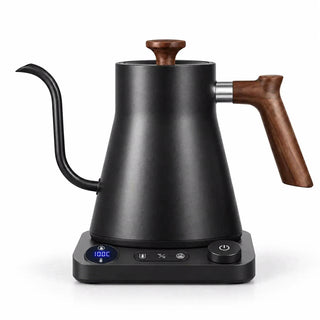
Variable Temperature 40-100C (104-212 F), Keep-Warm, Pour-Over Coffee & Tea
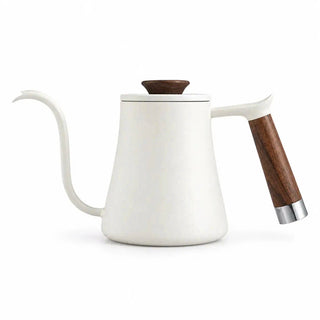
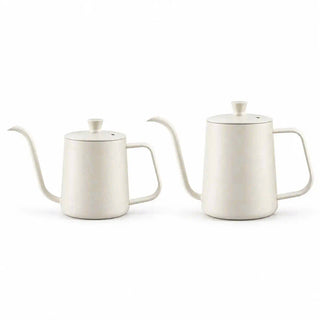
304 Stainless Steel Interior, Water-Level Markings, for Gas & Electric

Non-Electric 304 Stainless Steel Drip Kettle, Wooden Handle, Slim Spout

Temperature Control, Brew Timer, 304 Stainless Steel, Wood Handle

Variable Temperature, 1-24 Hour Keep Warm, 304 Stainless Steel, 1200 W

Touch Controls, 45-95C (113-203 F), 12-Hour Keep Warm, 1000 W, Pour-Over Kettle

Digital Temperature Control Dial, Wood-Grain Handle, Pour-Over Kettle

304 Stainless Steel, Walnut Lid, Single-Cup Coffee Drip Kettle

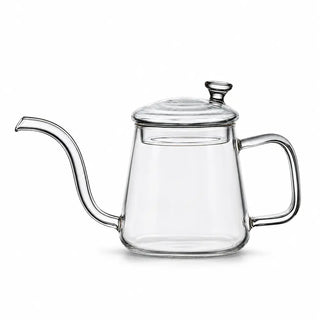
Clear Borosilicate Body, Wooden Handle & Glass Lid, Coffee & Tea Kettle

Stainless Steel, Wood-Look Handle

92C (198 F) Preset, 1C Adjustment, 304 Stainless Steel Interior, Pour-Over Kettle

On/Off Switch, 304 Stainless Steel Interior, Wood-Grain Handle
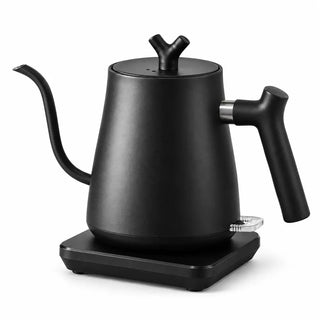
Pour-Over Coffee Kettle, Wooden Handle, Mechanical On/Off Switch, 304 Steel

Non-Electric, 304 Stainless Steel Interior, Wood Handle

Pure Titanium Drip Kettle, Walnut Handle, Ice-Crystal Finish, Coffee & Tea

Hand-Blown Borosilicate Glass, Natural Wood Handle, Coffee & Tea Kettle

TA1 Pure Titanium, Detachable Gooseneck Spout, Folding Handles & Screw Cap

304 Stainless Steel, Walnut Handle, 4 mm (0.16 in) Spout, Non-Electric

304 Stainless Steel, Wooden Handle, Inner Volume Markings, for Gas & Induction Stoves, Coffee & Tea

600W Pour-Over Coffee & Tea Kettle, 304 Stainless Steel Interior, Boil-Dry Protection

304 Stainless Steel, Wood-Grain Handle, Optional Thermometer Lid, Coffee & Tea Kettle
Electric models include simple boiling, preset and adjustable-temperature options. Manual models have different heating instructions: some suit specified cooktops and others hold separately heated water. Check each product’s capacity, available plug options and approved heat source.
Compare models
Start with how you heat water, then choose the capacity and controls your recipe needs. Follow the individual product’s heating instructions; manual kettles do not all share the same cooktop compatibility.
| Model | Capacity | Controls | Heating and use |
|---|---|---|---|
| 0.9 L electric gooseneck kettle | 0.9 L / 900 ml | Adjustable 40–100°C; °C/°F display; keep-warm control | Use the supplied electric base. Choose the plug for your destination and check the selected version’s electrical requirements. |
| Wood-style-handle kettle | 350 or 600 ml | No built-in temperature control | Compatible electric or induction cooktop; no gas or open flame. |
| White precision-pour kettle | 350 or 600 ml | Manual; internal water markings | Gas or electric stovetops; not for direct induction. Check the kettle, adapter and cooktop instructions before considering an adapter. |
| Wooden-handle pouring kettle | 360 or 600 ml | No electric base or temperature controls | Add separately heated water; designed for manual pouring. |
| 0.8 L electric kettle with brew timer | 0.8 L / 800 ml | 40–95°C plus boil function; 2-hour hold; built-in brew timer | Supplied digital base only; 1200 W. |
| 1 L electric gooseneck kettle | 1 L / 1000 ml | 40–100°C rotary dial (±2°C); keep-warm 1–24 hours | Supplied control base only; 1200 W. |
| 800 ml electric kettle with touch controls | 800 ml | 45–95°C; 85°C coffee preset; keep-warm up to 12 hours | Supplied control base only; 1000 W. Titanium Silver, White or Black. |
| 1 L electric kettle, wood-grain handle | 1 L / 1000 ml | Digital display, touch buttons and a rotary temperature dial | Use the supplied powered base. Select the plug for your intended country and confirm the chosen version’s electrical requirements. |
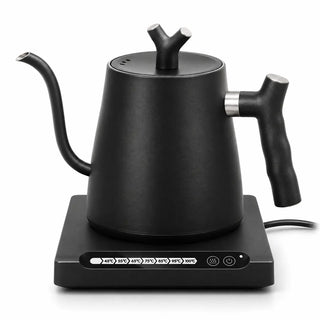
| 1 L electric kettle with seven presets | 1 L / 1000 ml | Seven temperature settings: 45, 55, 65, 75, 85, 95 and 100°C; keep-warm control | Use the supplied electric base. Check the unit’s voltage rating before use. |
| 800 mL electric kettle with on/off switch | 800 mL | Single on/off switch; no adjustable temperature settings | Use the supplied electric base. Choose from the plug options offered for this model. |
Capacity is the listed vessel size, not a guaranteed brew yield. Leave headroom, follow fill markings and allow extra water for rinsing your filter. Open a model’s product page for current variants, price and availability.
01
Choose an electric gooseneck if you want to heat water and pour from the same vessel. A manual model suits an existing hot-water setup; check its specific heating instructions before putting it on any cooktop.
02
Choose enough working volume for your brewing water and any filter rinse, while staying within the kettle’s fill marks. A smaller pouring vessel may suit a single serving; a larger kettle can reduce refilling. Vessel capacity does not guarantee a particular number of cups.
03
Choose on/off controls for a simple boil-and-pour routine. Presets offer fixed temperature choices; an adjustable dial or digital control offers the settings listed for that model. Keep-warm functions and brew timers vary. Manual kettles do not have electric temperature controls; follow their specific heating instructions.
Place your dripper and cup or server on a scale. Fit the appropriate filter, rinse paper if your brewer calls for it and weigh your coffee. Heat water using your kettle’s approved method, wet the grounds evenly, then pour in small, controlled circles. Keep the spout clear of the coffee bed and change one variable at a time when adjusting your next brew.
Read the electric kettle and pouring guide →You can make pour-over coffee with a regular kettle. A gooseneck spout makes it easier to direct a small stream and adjust your pour rate, especially when wetting the grounds and making repeated circular pours. It helps with control, but does not replace a suitable grind, recipe and coffee-to-water ratio.
An electric kettle heats on its supplied powered base; the controls may be a simple on/off switch, temperature presets or adjustable settings, depending on the model. A manual kettle has no electric base: some models allow a specified cooktop, while others are pouring vessels for separately heated water. Check the exact product’s instructions.
Choose capacity around your recipe’s water amount, plus any filter rinsing. Check usable fill marks and leave headroom, rather than treating the named capacity as finished coffee yield or a guaranteed cup count. Compare dimensions and heating instructions as well as capacity.
Compatibility varies by model. The 350/600 mL wood-style-handle kettle lists compatible electric and induction cooktops, but excludes gas and open flame. The white 350/600 mL kettle supports gas and electric stoves, not direct induction; check the kettle, adapter and cooktop instructions before considering an adapter. The 360/600 mL wooden-handle model is a manual pouring kettle. Electric kettles must use their supplied base.
Use the temperature recommended by your coffee recipe, then adjust for your beans and taste. Temperature controls vary: the featured 0.9 L kettle offers 40–100°C adjustment, while the seven-preset 1 L model offers fixed choices from 45–100°C. On/off models have no selectable temperature. Check the exact model instead of choosing by capacity alone.
Allow the kettle to cool, rinse the interior and wipe the exterior with a soft cloth. Dry before storage and follow the supplied instructions for descaling. Keep electric bases and contacts dry, avoid abrasive cleaners and do not soak wooden or wood-style handles.
Do not assume one version works worldwide. Choose from the plug options offered for the exact model and select for the country where you will use it. Check the product label and supplied electrical instructions before use; contact Yozcoffee if you need help before ordering.